Family in Islam: Why Sacred Ties Matter More Than Ever
In a fast-moving world where messages are reduced to quick texts and relationships often feel distant, Islam brings us back to something deeply human:
family. The Prophet Muhammad (PBUH) taught us that family ties are not optional—they are sacred. They are a trust from Allah, a source of blessings, and a path to Jannah.
This isn’t just a spiritual idea. It’s a practical, everyday guide for how we treat the people closest to us—parents, siblings, relatives, and even extended family we rarely see. Strengthening these bonds is known in Islam as
Silat-ur-Rahm (maintaining kinship ties), and it holds immense value in both this life and the Hereafter.

What Does “Sacred Family Ties” Really Mean?
When we say family ties are sacred, we mean they are
divinely commanded and spiritually significant. Islam doesn’t view family as just a social unit—it is a system built on mercy, responsibility, and accountability.
The Prophet (PBUH) emphasized that maintaining family ties is an act loved by Allah. It’s not just about being close to those who are kind to you, but also reaching out to those who may have distanced themselves.
That’s what makes it powerful.
That’s what makes it different.
The Importance of Silat-ur-Rahm in Islam
Silat-ur-Rahm is more than staying in touch—it’s about
actively nurturing relationships.
This includes:
-
Checking in on relatives regularly
-
Helping family members in times of need
-
Forgiving past misunderstandings
-
Keeping respect even during disagreements
The Prophet (PBUH) taught that the one who truly maintains ties is not the one who reciprocates kindness, but the one who
continues to connect even when others قطع them off.
In today’s terms, that might mean sending a message first, making the call, or showing up when it’s uncomfortable.
Why Family Bonds Bring Barakah (Blessings)
One of the most beautiful teachings in Islam is that maintaining family ties brings
barakah in rizq (sustenance) and life span.
This doesn’t always mean more money or more years—but it means:
-
Your time feels more productive
-
Your earnings feel more fulfilling
-
Your life feels more meaningful
There is a spiritual richness that comes from keeping family close.
People often search for peace in success, travel, or material things—but Islam reminds us that sometimes,
peace is found in a simple family gathering, a shared meal, or a heartfelt dua from a parent.
The Reality Today: Why Are Family Ties Weakening?
Let’s be honest—many of us struggle with maintaining family relationships today.
Some common reasons include:
-
Busy lifestyles and lack of time
-
Misunderstandings and ego clashes
-
Physical distance between relatives
-
Over-reliance on social media instead of real connection
We might “like” each other’s posts but haven’t spoken in months. We know what distant relatives are doing online, but we don’t truly know how they’re feeling.
Islam calls us back to
intentional connection, not passive interaction.
Small Actions That Make a Big Difference
You don’t need grand gestures to maintain family ties. In fact, Islam encourages consistency in small actions.
Here are simple ways to revive family connections:
1. Make the First Move
Don’t wait for others to reach out. Be the one who starts.
2. Stay Consistent
A weekly call or monthly visit can go a long way.
3. Practice Forgiveness
Family relationships are not perfect. Let go of grudges for the sake of Allah.
4. Be Present
When you’re with family, give them your full attention—put the phone away.
5. Make Dua for Them
Sometimes the strongest connection is made through sincere prayers.
The Role of Family History in Strengthening Bonds
One powerful way to reconnect with family is by understanding your roots.
Knowing your lineage:
-
Builds a sense of identity
-
Strengthens belonging
-
Helps you appreciate the sacrifices of those before you
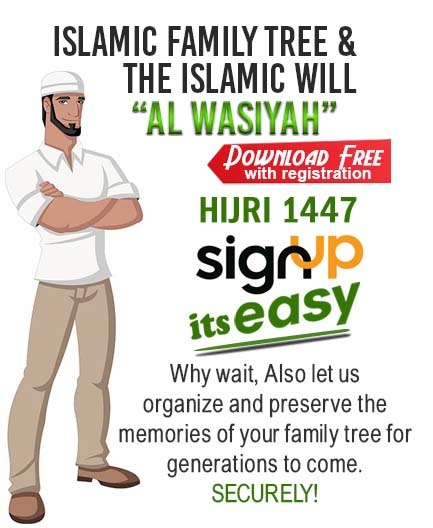
This is where platforms like
IslamicFamilyTree.com come in. They offer a meaningful way to
trace your family history, preserve your heritage, and connect generations together.
In Islam, lineage is important. It’s not about pride—it’s about
responsibility, identity, and connection.
When you know your family story, you value your family more.
Family as a Source of Emotional and Spiritual Strength
Life is full of challenges. During difficult times, family can be your strongest support system.
A kind word from a sibling, a dua from a parent, or even silent support from a relative can make a huge difference.
Islam encourages us to:
-
Be there for one another emotionally
-
Support each other financially when needed
-
Guide each other spiritually
This creates a circle of care that strengthens not just individuals, but the entire community.
What Happens When Family Ties Are Broken?
Islam strongly warns against قطع الرحم (cutting off family ties).
The consequences are serious—not just spiritually, but emotionally and socially too.
Broken family ties can lead to:
-
Loneliness and isolation
-
Increased conflicts
-
Loss of blessings in life
-
Weak community structures
On the other hand, repairing these ties—even after years—can bring immense reward and healing.
A Gentle Reminder: It’s Never Too Late
No matter how distant things may feel, it’s never too late to reconnect.
Start small:
-
Send a message
-
Make a call
-
Visit when you can
You don’t need the perfect moment. You just need the intention.
The Prophet (PBUH) showed us that even in the face of difficulty, maintaining family ties is always worth it.
Final Thoughts
Family in Islam is more than a relationship—it’s a sacred trust.
In a time where disconnection is common, choosing to reconnect is an act of faith. It’s a way to earn Allah’s pleasure, bring barakah into your life, and create a legacy of love and unity for future generations.
Take that first step today.
Visit
islamicfamilytree.com and begin your journey of reconnecting with your roots. Because when you strengthen your family ties, you’re not just building relationships—you’re building something that lasts beyond this life.